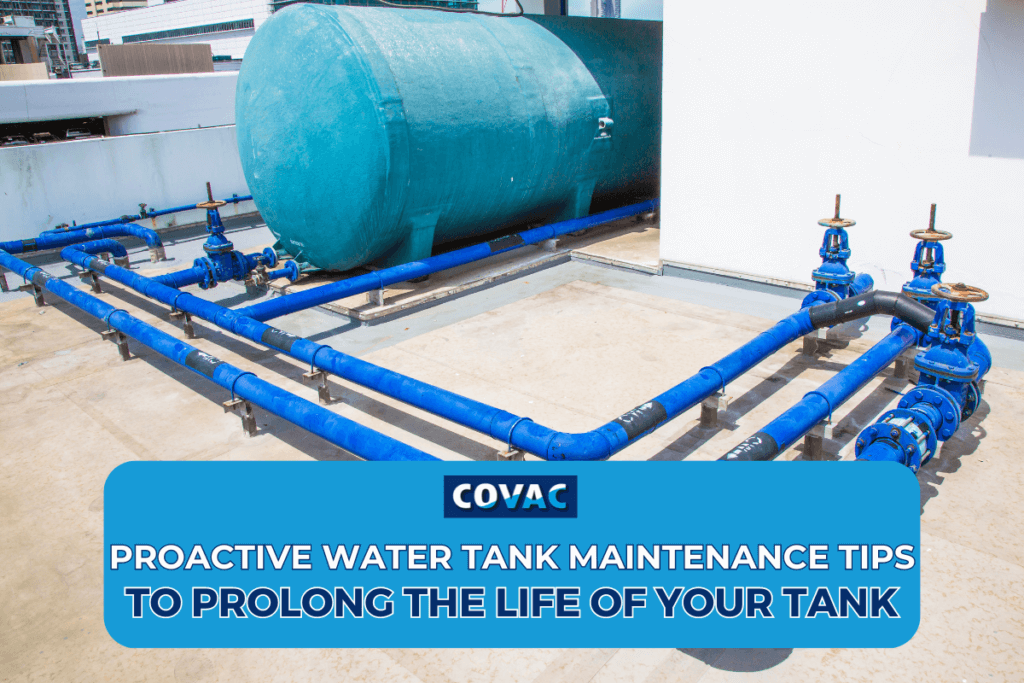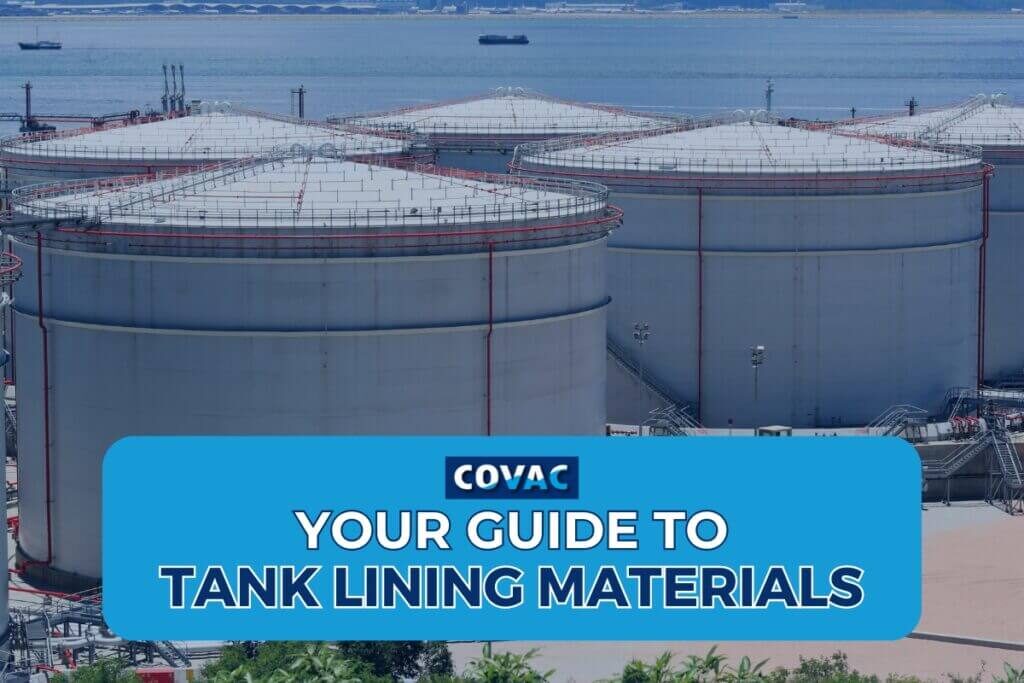




Understanding the main types of water tanks is not as complicated as it sounds. There are three materials you will encounter again and again: concrete, steel and GRP (Glass Reinforced Plastic).
Water tanks are long-term assets, often expected to perform reliably for decades with minimal interruption. However, constant exposure to pressure, temperature change, water chemistry and environmental conditions means that water tank damage is almost always gradual rather than sudden. In practice, serious failures are usually preceded by visible or measurable warning signs.
Preventing rust in a steel water tank comes down to one principle: keeping water away from bare steel. With the right inspections, stable water conditions and a high-performance lining, corrosion can be stopped and prevented for the long term.
Tank relining helps prevent contamination in water tanks by sealing the inside of the tank with a durable protective coating. This layer stops bacteria, rust and debris from entering the water, keeping it safe and hygienic. In this guide, we’ll explain how tank relining prevents water tank contamination and the key benefits of using a protective tank coating.
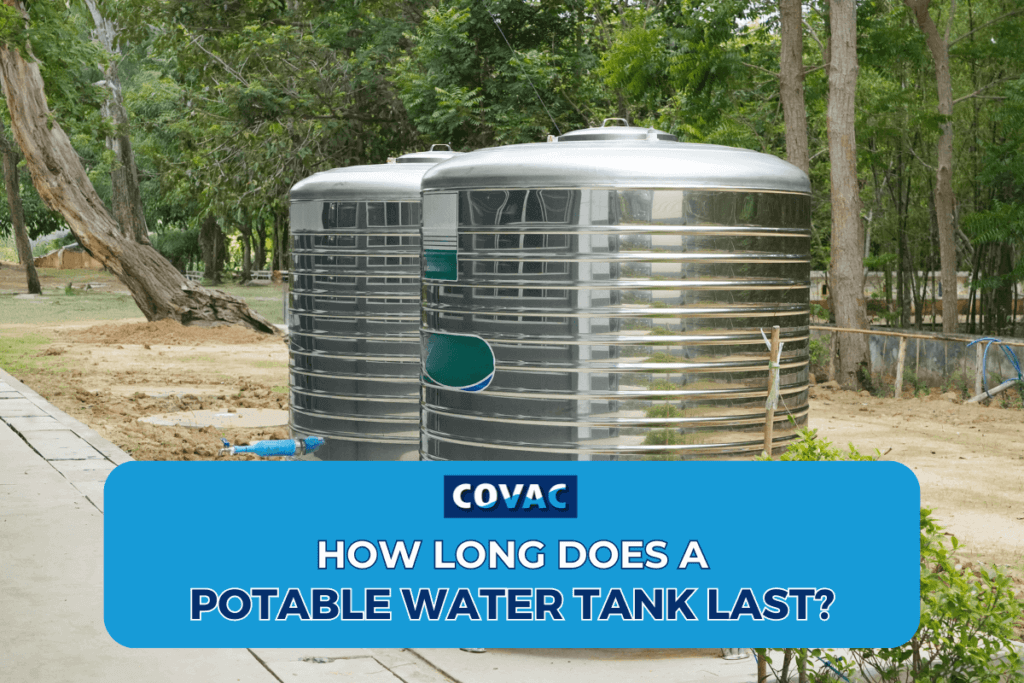
Potable water tanks are crucial for storing clean and safe drinking water, whether for your home, business, or industrial use. Knowing how long your tank should last and how to care for it properly can help you avoid costly replacements and ensure your water remains safe and fresh.
This guide covers how long a potable water tank typically lasts, factors affecting its lifespan, and practical tips for maintaining it, including the use of potable water tank liners and paint, and cleaning methods.
Water tanks are the silent guardians of our water supply. They perform an incredibly important role for many industries. Yet, all too often, we neglect our water tanks until an issue arises, jeopardising both the quality of our water and the longevity of our tanks.
Adopting a proactive approach to water tank maintenance is not only a responsible choice but a crucial one in safeguarding our water security and infrastructure. In this article, we delve into essential proactive maintenance tips that will not only prolong the life of your water tank but also ensure a consistent and reliable water supply for years to come.
From storing drinking water to various industrial applications, water tanks are essential for the operation of many buildings. To ensure the longevity of your water tank, choosing the right tank lining materials is crucial.
In this article, we will look at the different options and factors to take into consideration when selecting a tank lining material for your installation.
Is your water tank in tip-top shape? Neglecting regular inspections can lead to costly repairs, contaminated water and even health hazards. Don’t leave it to chance!
In this guide, we’ll reveal the key qualities to look for in a water tank inspection expert, so you can ensure the safety and longevity of your water storage system.
If you have a storage water tank, you need to make sure you follow the cold water tanks regulations. You’re required to regularly inspect and maintain your cold water tanks to keep them in a condition suitable for operation.
Here is everything you need to know about cold water storage tanks regulations and the dangers of not following them.
If you have a cold water tank at your facility, ensuring its longevity and water quality is essential.
A water tank interior coating protects against corrosion, contamination and structural damage, helping to extend the tank’s lifespan. But what are the key benefits of installing a protective lining and how does it work?
In this article, we explore everything you need to know about water tank interior coatings, including their importance, the benefits and how to choose the right solution for your tank.