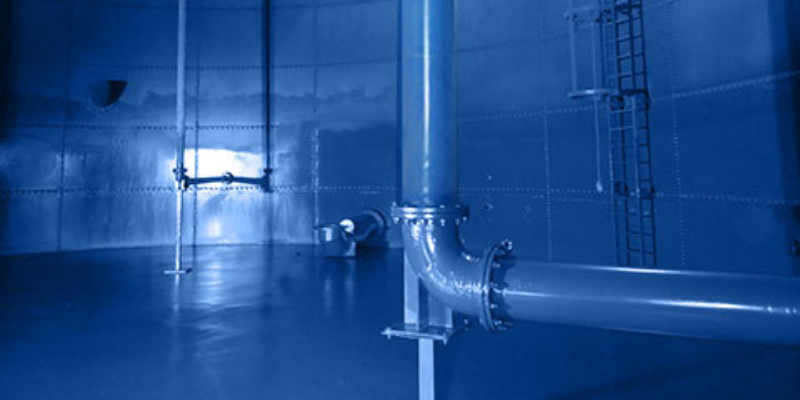




When a tank holds drinking water, chemicals or fire-protection water, the internal surface takes the most wear. If that surface starts to corrode or break down, the tank can contaminate its contents. Tank lining systems play the biggest part in preventing this.
The quality of your stored water is non-negotiable. Whether you’re safeguarding your drinkable water supply, protecting your industrial operations or ensuring agricultural yields, the condition of your water tank is important.
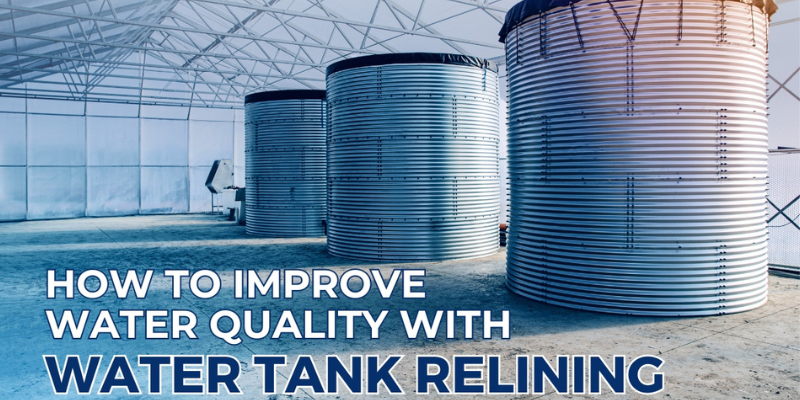
A well-maintained storage tank can help significantly improve the water quality of your water by preventing bacteria from entering your tank.
How to improve water quality and how can water tank relining help maintain the quality of water in your tank? Let’s explore more on the topic!
Choosing between tank relining and replacement can significantly impact your finances. Opting for a new water-retaining structure without understanding the benefits of relining may lead to unnecessary expenses.
This guide explains why tank relining is often the better choice. Many property owners believe their water tanks are beyond repair, but at COVAC, we’ve successfully repaired and relined numerous tanks that seemed to have reached the end of their lifespan.
As you read this article, you’ll discover the advantages of relining and how it can save you money while ensuring your liquid-retaining structure remains functional.
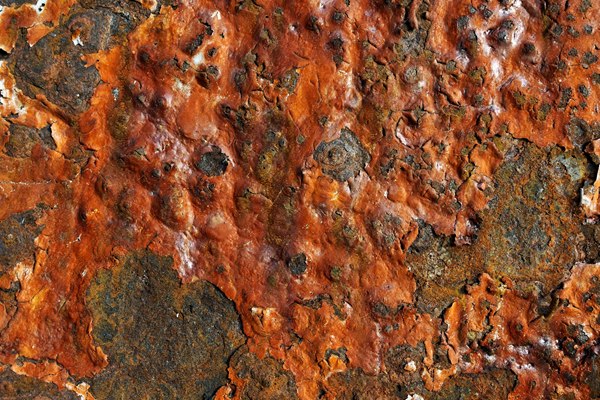
Corrosion is a common problem in all water tanks as they become prone to rust and decay due to the heavy long term use of the structures. However, water tank corrosion is an issue that can be prevented and reduced so your structure can continue to function properly. In this article we will talk you through how to prevent water tank corrosion, so get ready to note down how to stop your structures from corroding.
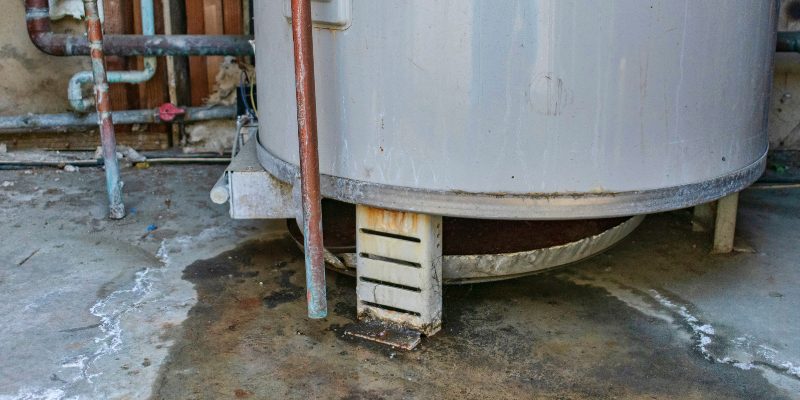
If you think you might have a leaking water tank, this article will tell you what to do about it. Water tanks are used in various sectors for a range of purposes, generally without issue. However, the chance that your water tank could become faulty or damaged isn’t zero. If you fail to notice water tank corrosion, in the form of steel deterioration, failed mastic between the joints in a GRP tank, or cracked concrete at the base, you may notice that your water tank is leaking. These possible causes can result in the expansion of a vulnerability that could create a very large leak.
We at COVAC have compiled a chronological list of suggestions that will help you with your leaking water tank.
To avoid water tank damage, you should consider investing in water tank lining. In a consumerist society, we feel more inclined to replace a damaged or broken item, regardless of its worth, rather than attempting to fix it. Water tanks are incredibly efficient features for any home or business setting. But they do naturally experience some deterioration with time. Water tank lining can slow the rate of corrosion, which is why it is so important to consider.
This article will elaborate on the reasons you should consider water tank lining.
Here at COVAC, we know everything there is to know about water tank lining and the benefits it can bestow upon your water tank. Part of the natural life cycle of water tanks, especially steel water tanks, is deterioration and rust because of constant exposure to oxygen, water, and minerals. Water tank lining helps to extend the life of your water tank, and this article will tell you how.