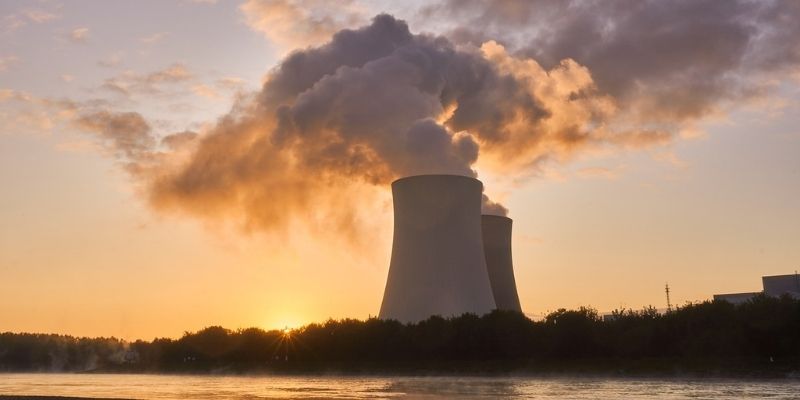
Cooling towers are useful solutions cost-effective and energy efficient systems that are slowly becoming a ubiquitous part of the UK landscape. They are typically constructed for HVAC (Heating, Ventilation and Air Conditioning) and industrial purposes for maintaining water temperatures. Examples of where they excel are: large office buildings, schools, airports and hospitals where there is a need to have a reliable source of cool water all year round. However, cooling tower maintenance is something that often gets overlooked which could be detrimental to the function of these nifty devices. As such, this article will discuss:
What is a cooling tower?
How does a cooling tower work?
Cooling tower maintenance – Why you should clean your cooling tower
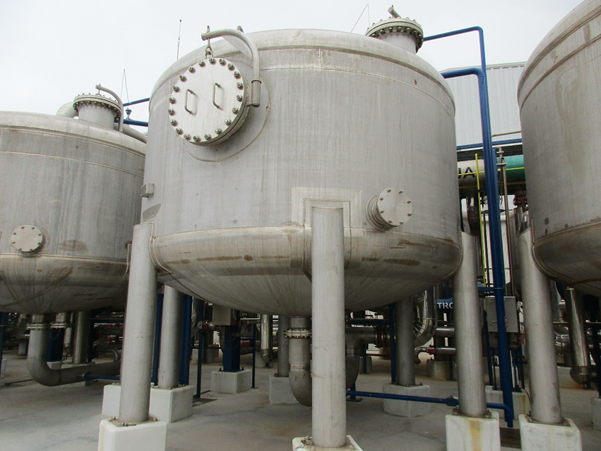
Industrial water tank cleaning is no easy task and takes more than just a few mops and wipes to conduct a good job.
As we all know industrial water tanks are used to store large quantities of water that is used to supply large scale buildings. However over time, water tanks can be contaminated with dust, dirt, debris, mould, rust or sludge. Not to mention the infamous Legionella – a deadly bacteria that excels in water tanks.
Obtaining DWI approval is vital in the water industry. But who is the DWI, and why is it so important that you are DWI approved? In this article, we will discuss what DWI approval really means and how it is attained. We will also look at some DWI approved products that have met the standards, as well as finer details of DWI acceptance including Regulation 31.
When you are faced with water tank leaking it is a stressful situation to deal with and it can be difficult to find to the cause of the leak. So, if you are met with the event of a leaking water tank, we have put together a guide in our latest blog article. So, read on to find out how you can combat water tank leaks.
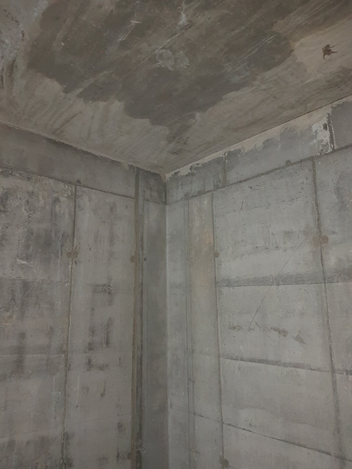
Knowing how to stop tank corrosion in concrete water tanks is essential. In recent years, concrete water tanks have become popular as they are a cheap and highly accessible alternative to steel water tanks. Although water tanks are strong and durable, they’re still susceptible to tank corrosion. So, in this article, we will talk you through what you can do to prevent tank corrosion in your concrete water tanks.
Have you ever spotted that mysterious WRAS logo on plumbing products? Ensuring safe drinking water is crucial, and the WRAS logo plays a vital role.
Many people working with water retaining structures ask us if WRAS certification is crucial. The answer? Absolutely!
This article dives deep into the world of WRAS approval, answering all your burning questions and revealing its significance within the water supplies industry.
What Does WRAS Stand For?
WRAS stands for Water Regulation Advisory Scheme and is a standard set by UK water regulations and bylaws.
To become WRAS approved or certified, your product/service has to be tested by independent labs and water suppliers before being accepted by UK water suppliers. As WRAS regulations are here to stay it is important that you are aware of the rules and learn more about the WRAS regulatory specifics.
What Are The WRAS Approval Types
WRAS regulations are in place to safeguard water quality and prevent contamination within the UK’s public water supply. These regulations apply to any water retaining structure that receives water from the mains, including pipes, tanks and fittings. To ensure compliance, water fittings must meet specific quality standards and undergo rigorous testing.
Here’s a breakdown of the two main WRAS approval types:
WRAS Product Approval
This approval applies to complete products like boilers, valves and showers. These products undergo rigorous mechanical and quality testing to ensure:
Compliance with WRAS regulations: Products are rigorously tested to meet the strict standards set by WRAS.
Functional performance: Valves must operate smoothly, showers must deliver consistent water pressure and boilers must function efficiently.
Durability and longevity: Products are tested to withstand regular use and harsh water conditions.
When installing WRAS-approved products, it’s crucial to follow any specific installation instructions provided with the approval.
WRAS Material Approval
This approval focuses on non-metallic materials and components that come into contact with drinking water. Examples include rubber seals, gaskets, linings and coatings, such as Acothane DW coating, a coating we use. These materials undergo specific testing to ensure:
No water contamination: Materials are rigorously tested to ensure they don’t leach harmful chemicals or compromise water quality.
Compatibility with water systems: Materials must be compatible with various water conditions and not cause corrosion or deterioration.
Is WRAS Approval a Legal Requirement?
WRAS is not currently a legal requirement, but it is still a recommended standard that has become more significant in recent years.
Although WRAS regulations are highly important in the industry, the road to WRAS approval is a voluntary scheme. So even though you would expect manufacturers to have WRAS-approved products, they are under no legal obligation to provide WRAS-certified products.
When Do WRAS Regulations Apply?
The regulations apply to all properties and premises that receive public water supply and focus on passing water between the boundary of a building and the point of discharge.
How to Get Your Products and Materials WRAS Approved?
To get your products WRAS Approved, you should visit the Water Regulations Approval Scheme website.
You will need to complete an F2 application form directly with the WRAS. This form should be signed and dated and should list every material in contact with wholesome water.
You will then need to contact an accredited and WRAS-recognised test facility, who will complete testing and forward your application, and liaise on your behalf with WRAS.
How Long Does WRAS Approval Last?
WRAS Approval lasts for five years from the date the approval is granted. After this, you’ll need to get your product or material reassessed.
How to Recognise Whether a Product is WRAS Approved
When a product or service is WRAS certified, the manufacturer/service provider will be issued with a WRAS certification mark. This approval certificate is usually displayed on the manufacturer’s website. So it is clear to recognise when a company is WRAS-approved.
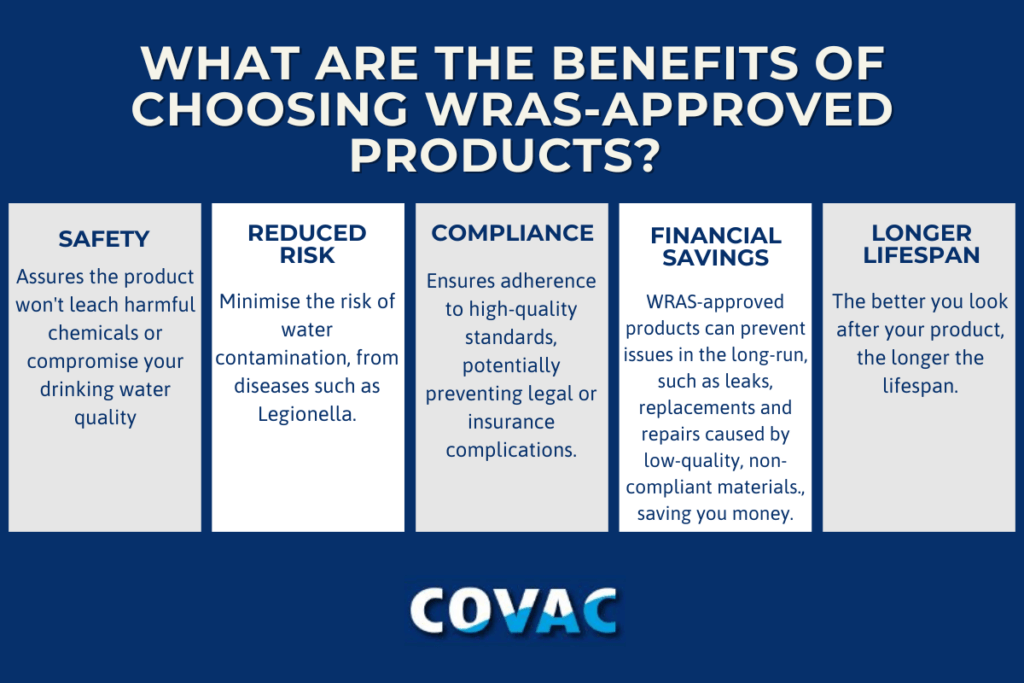
What Are The Benefits of Choosing WRAS-Approved Products?
By opting for WRAS-approved products, you gain:
Unmatched Safety: The WRAS certification assures the product won’t leach harmful chemicals or compromise your drinking water quality.
Reduced Risk: Minimise the risk of water contamination, from diseases such as Legionella.
Compliance: WRAS approval ensures adherence to high-quality standards, potentially preventing legal or insurance complications.
Long-term savings: The quality of WRAS-approved products can help in the long run with issues such as leaks, replacements and repairs caused by low-quality, non-compliant materials. This not only saves money but also prolongs the life of your product.
COVAC’s Commitment To WRAS Approval
We take pride in offering only WRAS-approved products and services. Look for the WRAS mark on our service pages, guaranteeing the highest quality and safety standards.
You can rest assured that our service is proven against relevant rules and regulations. Visit our tank lining services page today to find out more information on how we operate or contact us for a quote on WRAS-approved tank lining.